Healthiest Indian Food: Top Tips for Nutritious Choices
January 4, 2025
Indian dishes combine a spectrum of flavours with an incredible variety, but let’s be honest—it’s not always easy to tell which dishes are healthy. Some meals are packed with nutrients, like lentil soups and grilled tandoori chicken, while others, like fried snacks or creamy curries, can sneak in extra calories.
Here’s the good news: enjoying healthy Indian food is easier than you think. If you’re ordering takeout or dining at your favourite spot, knowing what to choose and skip makes all the difference.
What Makes Indian Food Healthy?
Indian food has a lot going for it in terms of nutrition. It’s packed with vegetables, lean proteins, and spices that add flavour and offer health benefits. Here are a few key reasons why Indian food can be a healthy choice:
Rich in Spices: Spices like turmeric, cumin, and ginger have anti-inflammatory and antioxidant properties. For example, turmeric contains curcumin, which helps reduce inflammation and supports heart health.
Balance of Macronutrients: Traditional Indian meals often include a mix of protein, carbohydrates, fats, and fibre—a perfect recipe for balanced nutrition.
Vegetarian-Friendly Options: Many Indian dishes are plant-based, offering an excellent supply of fibre, essential vitamins, and minerals.
3 Steps to Choose a Healthier Indian Meal
Making healthier choices starts with understanding what’s on your plate. Here’s how I approach it:
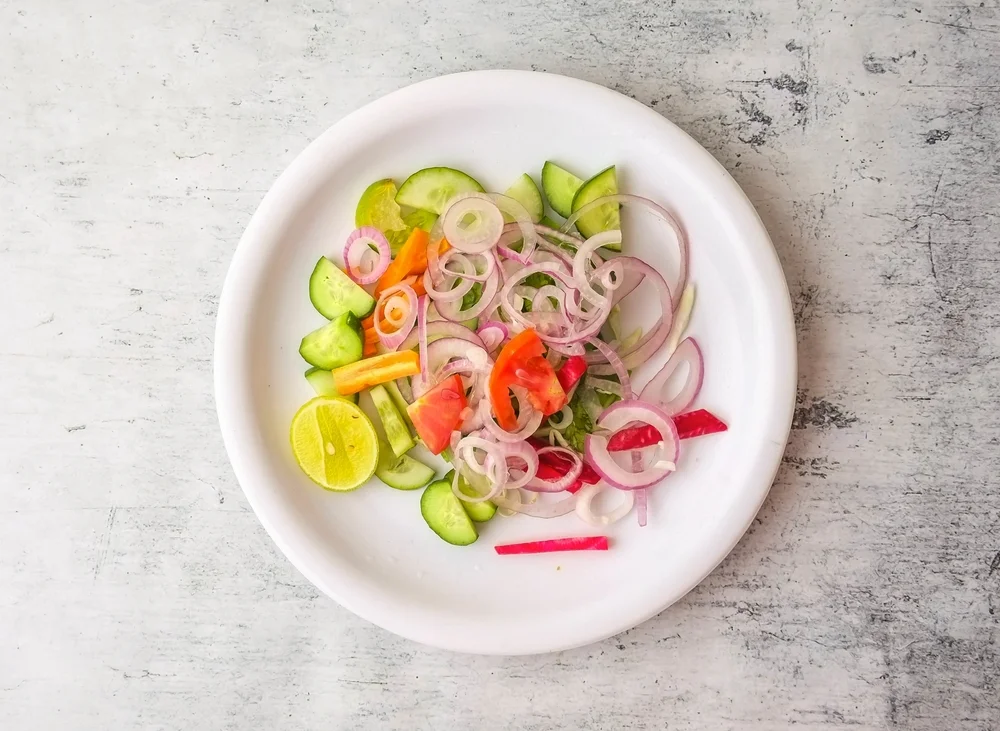
Start with a Salad
A simple salad with cucumbers, tomatoes, and onions is a great way to add fresh veggies. Pair it with a light lemon juice or yoghurt dressing for extra flavour. Avoid heavy, creamy dressings.
Watch Your Portions
Indian meals can be carb-heavy with dishes like rice and naan. I usually stick to one serving of rice (about half a cup, 100 calories) and pair it with a protein-rich curry to balance things out.
Opt for Whole Grains
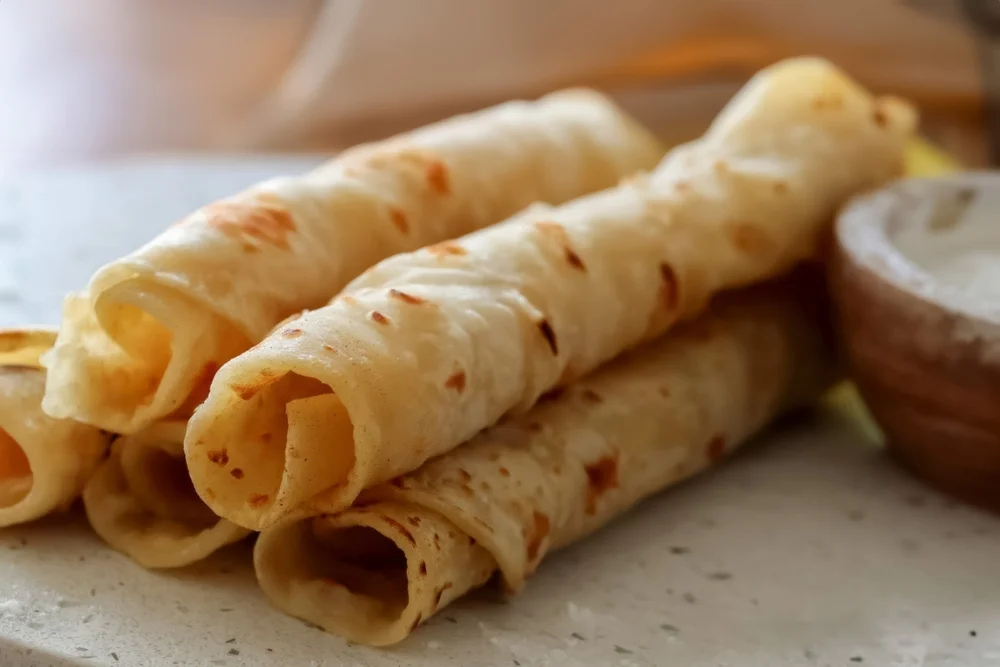
Go for whole-wheat roti or brown rice instead of white rice or refined naan. These options are higher in fibre and help keep you full longer.
Healthiest Indian Dishes to Try
Now, let’s get into specific dishes. Here are some of my go-to options when I’m aiming for a healthier meal:
Lentil-Based Dishes
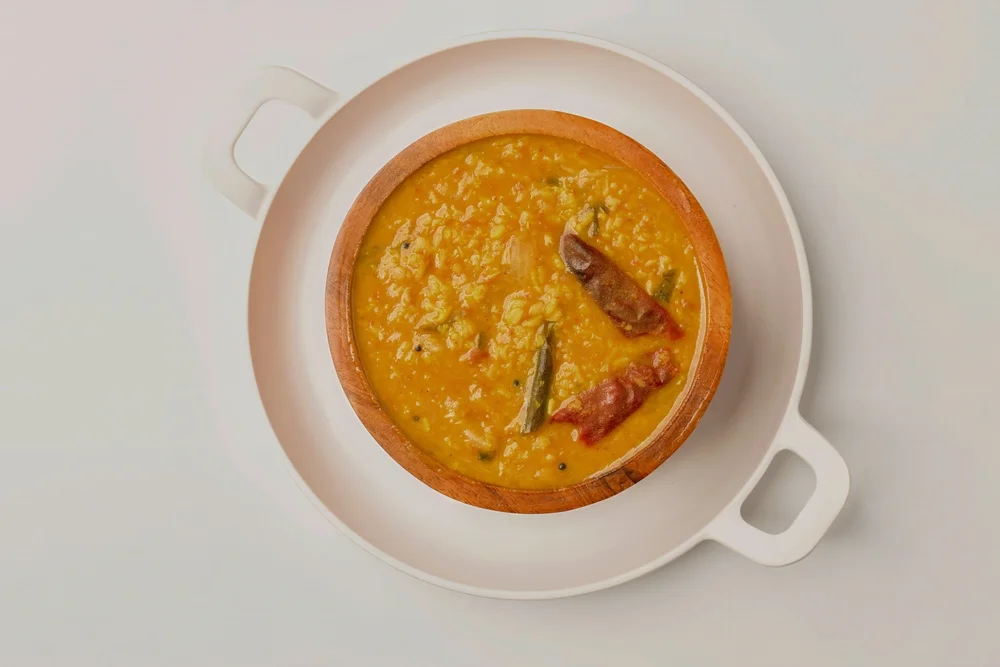
Dal Tadka
Made with yellow lentils, this dish is high in protein (about 12 g per cup) and low in fat (5 g). It’s also a great source of folate and iron, making it a heart-friendly choice.
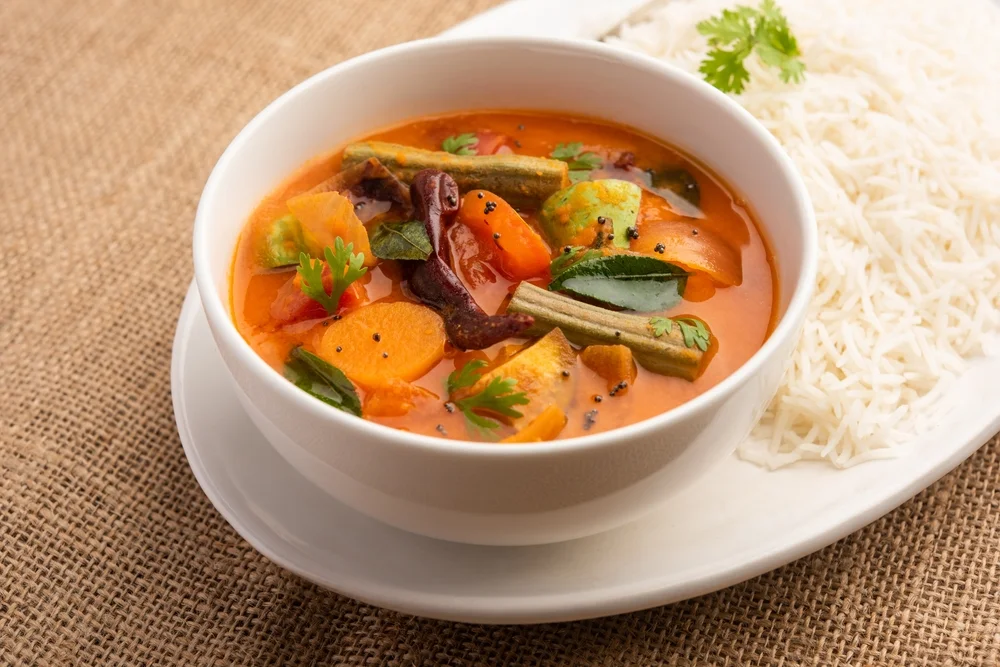
Sambar
This South Indian lentil soup is loaded with vegetables and tamarind, adding a tangy flavour. One cup has around 150 calories, 6g of protein, and is packed with fibre.
Grilled or Tandoori Dishes
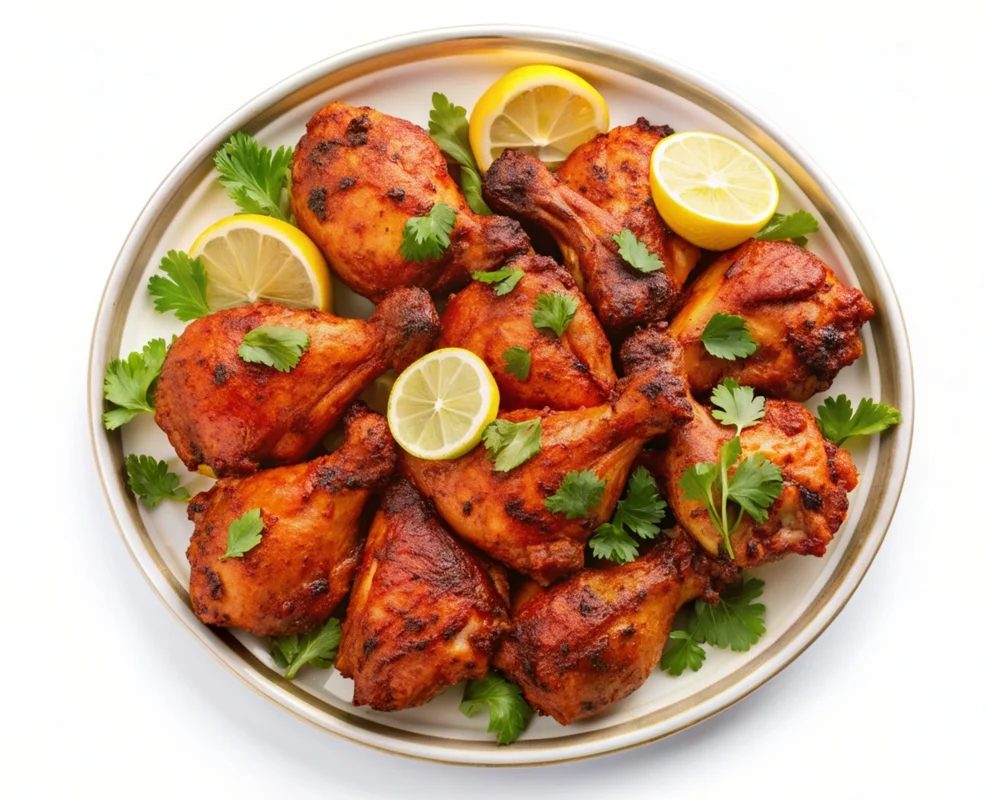
Tandoori Chicken
This is marinated in yoghurt and spices before being grilled, making it a lean protein option. A medium piece has about 250 calories, 25g protein, and only 8g fat.
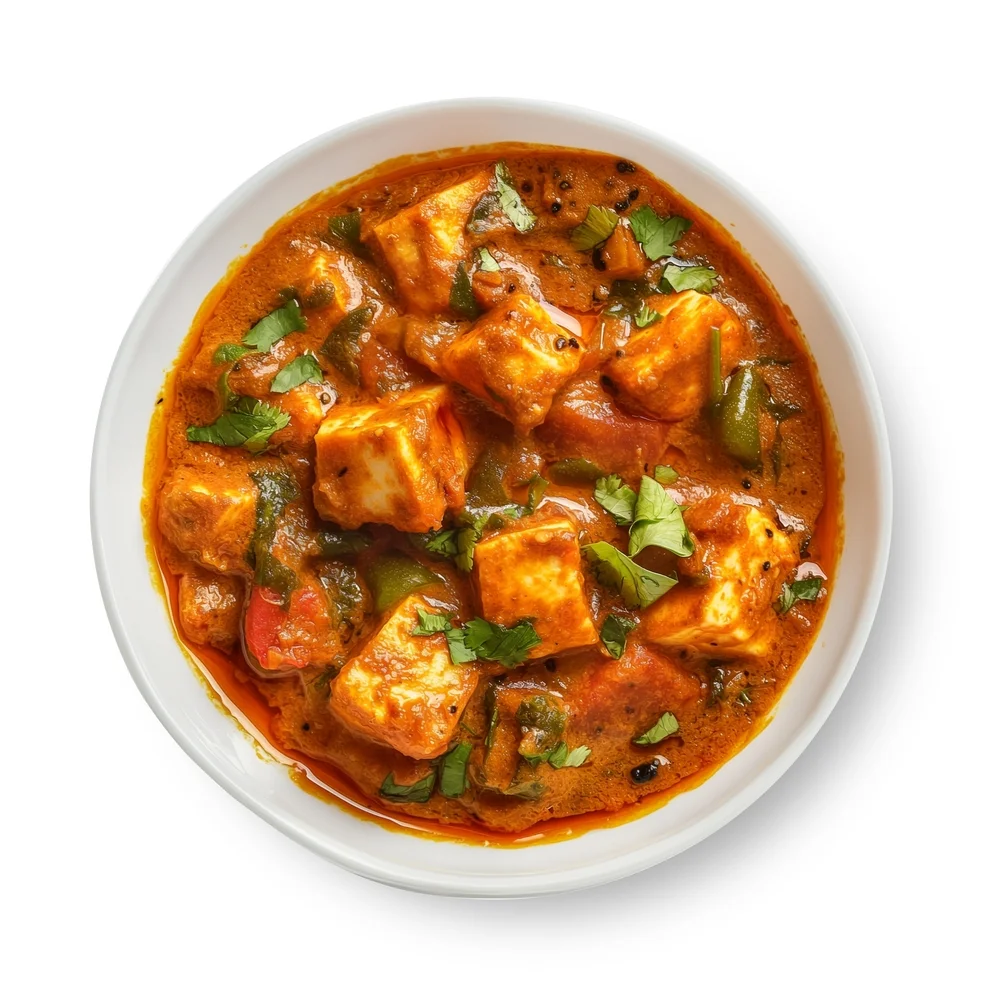
Paneer Tikka
Cubes of paneer (Indian cottage cheese) grilled with spices. Each skewer has about 200 calories, 10g protein, and 14g fat. While higher in fat, it’s still a good source of protein and calcium.
South Indian Staples
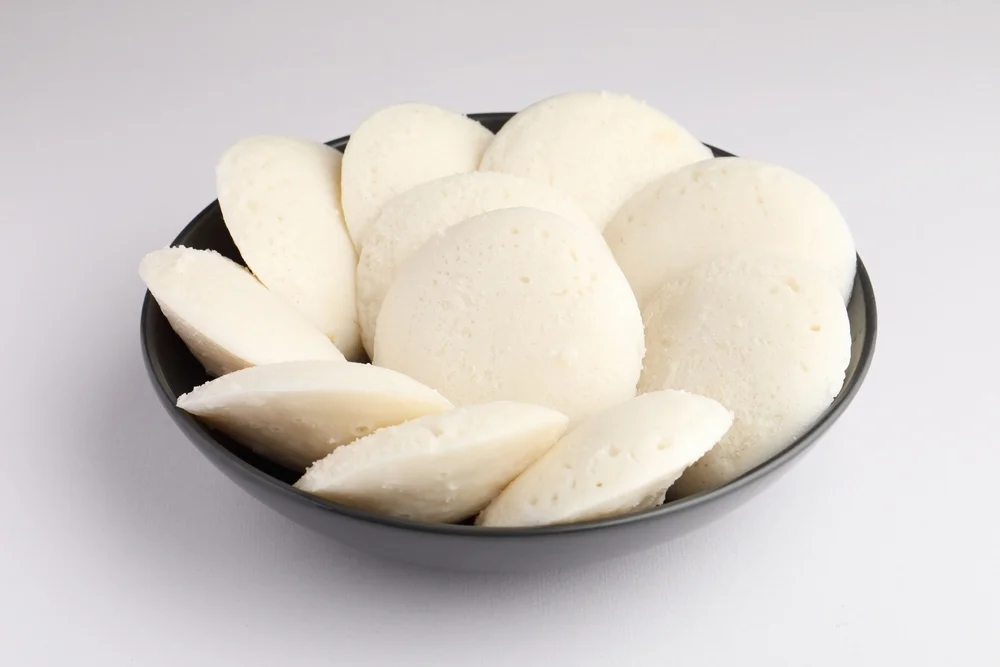
Idli
These steamed rice cakes are light and easy to digest. Each idli has about 35 calories and 2g protein. Pair them with sambar for a complete meal.
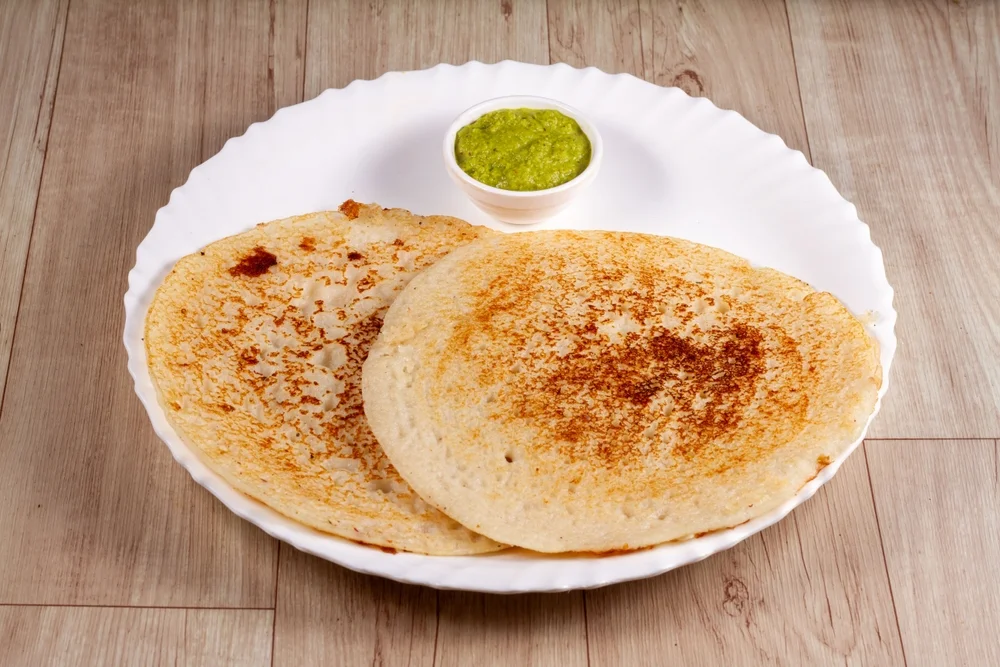
Dosa
A fermented rice and lentil crepe. One plain dosa has about 120 calories, 3g protein, and 1.5g fat.
Vegetable Curries and Sabzis
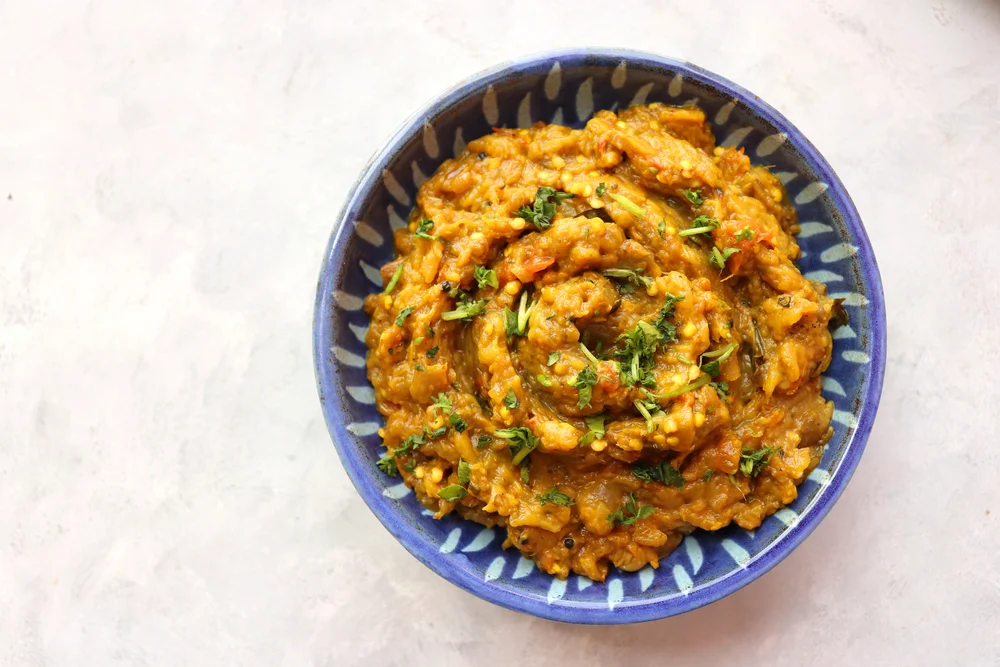
Baingan Bharta
Made with roasted eggplant, tomatoes, and spices, this dish is low in calories (about 100 per cup) and high in fibre.
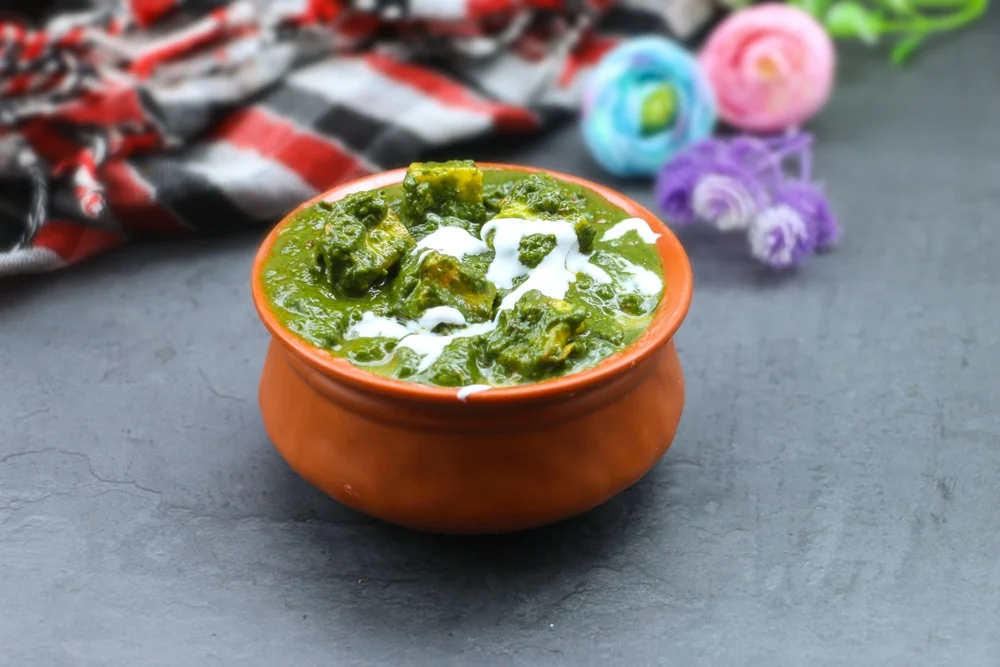
Palak Paneer
Spinach and paneer cooked with mild spices. A cup has about 200 calories, 10g protein, and is rich in iron.
Whole Grains and Breads
Roti
Brown Rice
Switch from white rice to brown rice for better fibre content. One cup has about 215 calories and 5g protein.
Indian Foods to Avoid
Not all Indian dishes are created equal. Here are a few that I try to steer clear of when I’m focusing on healthier choices:
Fried Snacks: Samosas and pakoras are delicious but high in calories and fat. One samosa can have up to 300 calories and 17g fat.
Creamy Curries: Butter chicken and malai kofta are made with heavy cream and ghee. A serving of butter chicken can have 400+ calories and 30g fat.
Sugary Desserts: Gulab jamun and jalebi are loaded with sugar and deep-fried, making them calorie bombs.
Healthiest Indian Takeaway Options
When ordering Indian food, here’s how I keep things healthy:
Go for Grilled: Tandoori chicken or fish is always a safe bet. The Bombay Palace’s tandoori specials are flavorful and cooked to perfection without unnecessary oils.
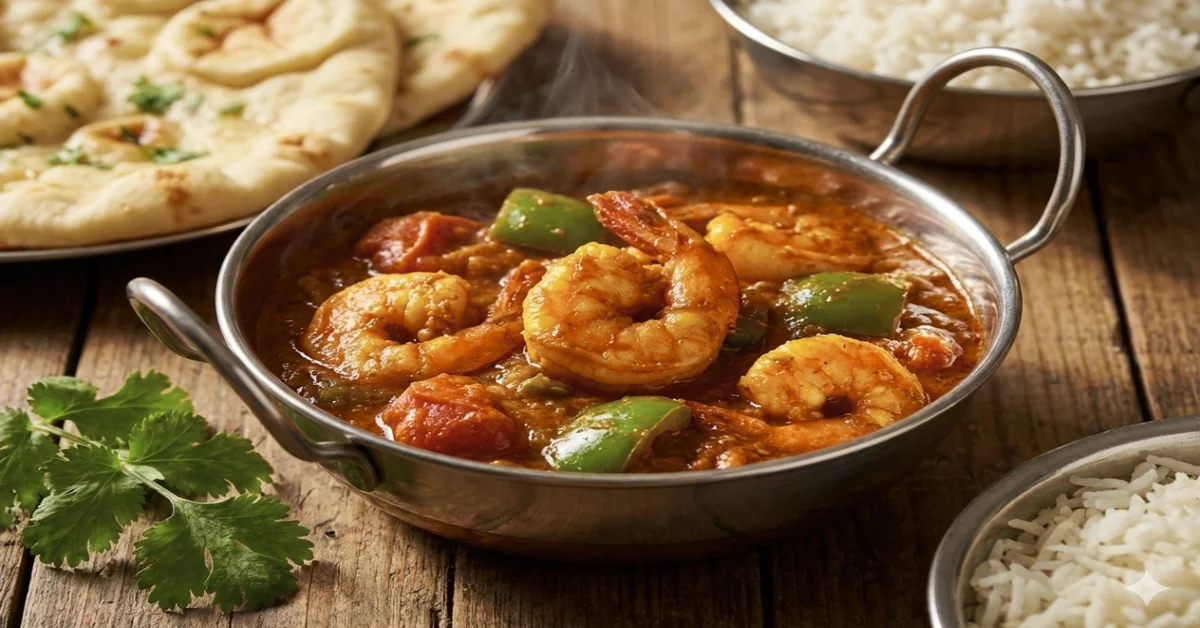
Pick Tomato-Based Curries: These are lighter and lower in calories than cream-based options. The Bombay Palace offers delicious tomato-based curries that don’t compromise taste or health.
Customize Your Order: Ask for less oil, no cream, and extra vegetables. The team at The Bombay Palace is happy to adjust your order to suit your dietary needs.
Eating healthy doesn’t mean sacrificing flavour, especially when you order from The Bombay Palace!
Indian food isn’t just tasty; it’s also packed with super foods. Here are a few staples and their benefits:
Turmeric: contains curcumin, which fights inflammation and supports brain health.
Ginger and Garlic: Known for their immunity-boosting and anti-inflammatory properties.
Spinach: Rich in iron, vitamin K, and antioxidants.
Lentils: High in protein, fibre, and essential minerals like potassium and magnesium.
Tips for Making Healthier Indian Food at Home
Cooking at home gives you full control over ingredients and portion sizes. Here’s what I do:
Use Healthy Oils: Swap ghee for olive oil or coconut oil.
Reduce Salt and Sugar: Season lightly and rely on natural flavours from spices.
Grill or Steam: Avoid frying whenever possible.
Add More Veggies: Bulk curries with extra vegetables like spinach, cauliflower, and bell peppers.
Frequently Asked Questions (FAQs)
What is the healthiest Indian food to order at a restaurant?
Grilled dishes like tandoori chicken or fish, dal-based dishes, and vegetable curries are great options.
Can Indian food be low-calorie?
Yes, dishes like sambar, idli, and grilled items are naturally low in calories.
Are vegetarian Indian dishes healthier than meat-based ones?
It depends on preparation. Vegetarian dishes like dal and sabzi are healthy, but creamy vegetarian curries can be just as calorie-dense as meat dishes.
How can I reduce calories in Indian recipes at home?
Use less oil, swap cream for yoghurt, and add more vegetables.
Is Indian takeaway healthy?
It can be if you choose grilled or tomato-based dishes and avoid fried or creamy options.
Conclusion: Enjoying the Healthiest Indian Food
Eating healthy doesn’t mean giving up on Indian food. With a little know-how, you can enjoy flavorful dishes that are both satisfying and good for you. Whether dining out or cooking at home, focus on balance, portion control, and fresh ingredients. Trust me; it’s possible to savour every bite while staying on track with your health goals!