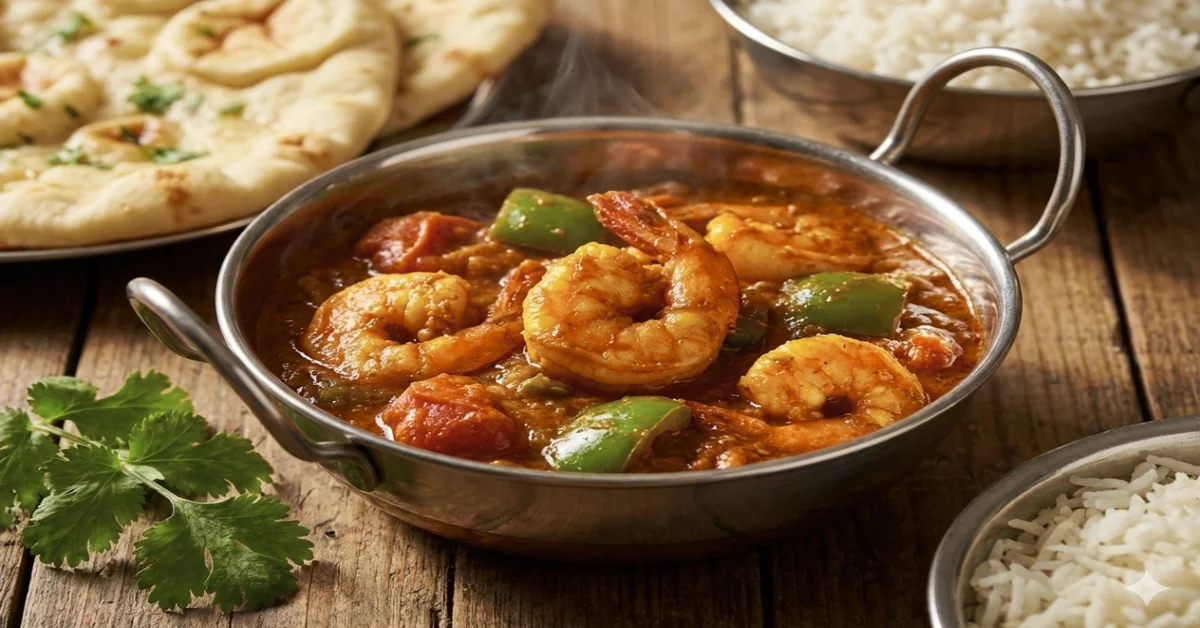
You’re staring at the menu. Butter chicken or chicken tikka masala? They both look creamy, tomatoey, and utterly delicious. You’re not alone in the confusion – this is one of the most common questions curry lovers ask across the UK. The two dishes sit side by side on almost every Indian restaurant menu, and at first glance, they seem like the same thing.
But they’re not. Not even close.
By the end of this post, you’ll know exactly how these two iconic dishes differ, from their origin stories to their spice levels, calories, and what to eat alongside them. And next time you visit Bombay Palace, you’ll order with confidence.
Two Dishes, Two Countries, Two Stories
The biggest surprise for most people? These dishes come from entirely different countries.
Butter Chicken: Born in Delhi
Butter chicken – or murgh makhani, as it’s known in India – traces its roots back to 1950s Delhi. After the Partition of India, a Punjabi refugee named Kundan Lal Gujral opened the now-legendary Moti Mahal restaurant in the Daryaganj neighbourhood of Old Delhi.
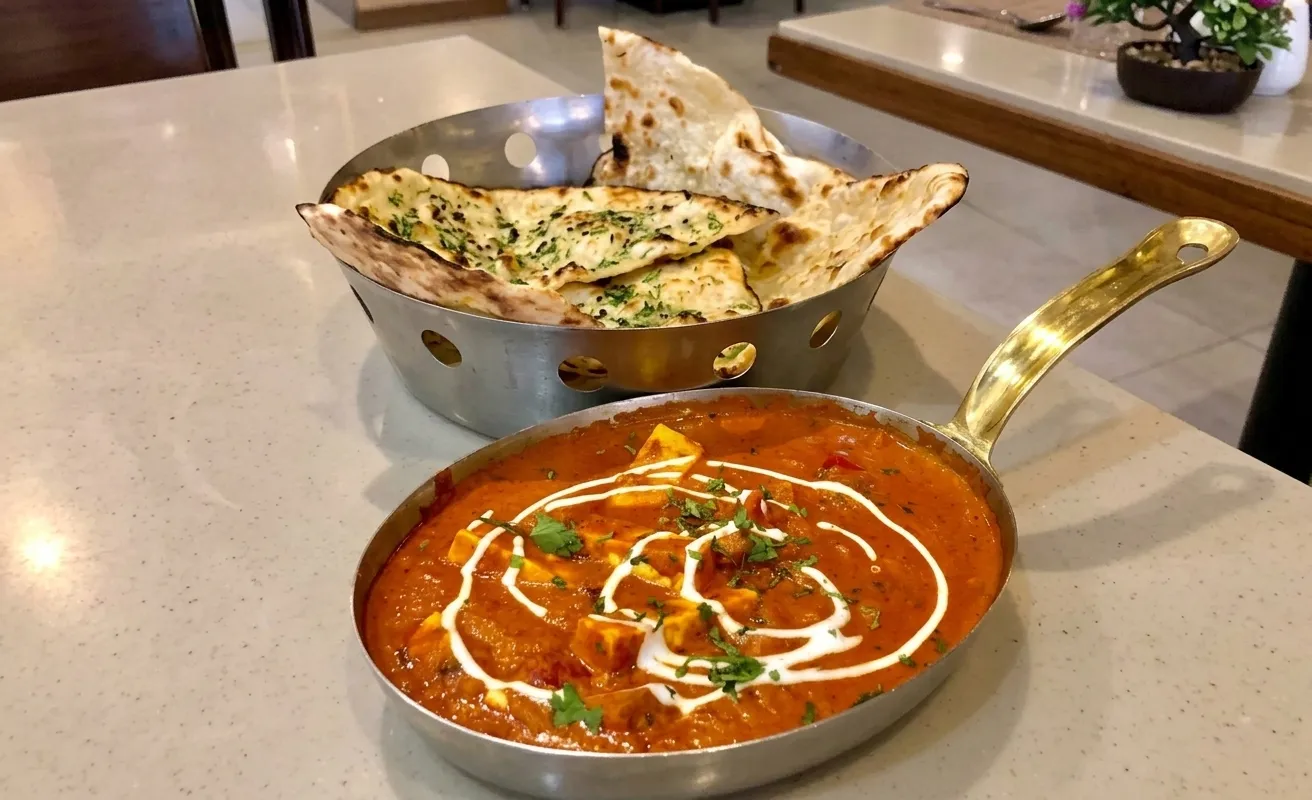
The story goes that Gujral needed a way to use up leftover tandoori chicken without it drying out. His solution was simple but brilliant: simmer it in a rich gravy of tomatoes, cream, butter, and aromatic spices. The result was velvety, mildly spiced, and instantly addictive. Butter chicken was born.
The dish became so famous that there’s still an ongoing court case in India over who truly invented it. That’s how seriously people take their murgh makhani.
Chicken Tikka Masala: Born in Britain
Chicken tikka masala has a very different birthplace. The most widely accepted story credits Ali Ahmed Aslam, a Pakistani-born chef who ran the Shish Mahal restaurant in Glasgow. In the early 1970s, a customer sent back his chicken tikka, complaining it was “too dry” and needed sauce.

Aslam went back to the kitchen. Accounts suggest he grabbed a tin of condensed tomato soup, mixed in some cream and spices, poured it over the chicken tikka, and sent it back out. The customer loved it. So did everyone else.
The dish spread across Britain like wildfire. By 2001, Foreign Secretary Robin Cook called it “a true British national dish.” It’s a perfect example of British-Indian ingenuity – adapting bold Indian flavours to suit local tastes.
What’s Actually in the Sauce?
This is where the real differences become clear. Both dishes use a creamy tomato-based sauce, but the ingredients and methods set them apart.
Butter chicken relies heavily on butter (unsurprisingly) and cream. The sauce is silky smooth, often blended until there are no visible chunks. Cashew paste gives it richness. The signature ingredient is kasuri methi, dried fenugreek leaves, which adds a distinctive earthy, slightly bitter note that balances the sweetness of the cream.
Chicken tikka masala uses less butter or none at all. The sauce tends to be thicker and chunkier, with visible pieces of onion. It leans more on yoghurt than cream, and the spice blend is bolder – paprika, chilli powder, cumin, and coriander all feature prominently. The result is tangier and more savoury.
Think of butter chicken as silk. Think of tikka masala as a warm woollen jumper. Both are comforting, but in very different ways.
The Chicken Itself
Even the protein is prepared differently.
In butter chicken, the chicken is traditionally bone-in, marinated in yoghurt and spices, then cooked in a tandoor (clay oven). It’s added to the sauce whole and simmered gently. The sauce wraps around the meat like a blanket; it’s very much the star of the dish.
In chicken tikka masala, the chicken comes as boneless tikka pieces, small, bite-sized chunks that have been marinated and grilled or charred at high heat. That charring gives the chicken a smoky edge that carries through into the finished dish. Here, the chicken fights for attention alongside the sauce.
The Taste Test
Close your eyes and imagine both.
Butter chicken tastes rich, mild, and gently sweet. The butter and cream coat your palate. The spices are present but whisper rather than shout. It’s the kind of dish you crave on a cold evening when you want something deeply comforting.
Chicken tikka masala tastes bolder and more complex. You get the smokiness from the grilled tikka, the tang of tomato and yoghurt, and a more noticeable spice kick. It’s confident and punchy, the sort of dish that makes you reach for your naan with enthusiasm.
In short, butter chicken is a warm bath. Tikka masala is a brisk walk through the park.
Which One Is Spicier?
This question comes up constantly. The answer is straightforward.
Butter chicken is mild to medium. It’s designed to be rich and soothing rather than fiery. The cream and butter naturally temper any heat from the spices.
Chicken tikka masala runs medium. It uses more spice overall, particularly chilli powder and paprika, which gives it more warmth and a gentle kick.
That said, at most restaurants, including Bombay Palace, you can ask for your preferred spice level. Neither dish needs to blow your head off, and neither needs to be bland. You’re in control.
The Health Question: Which Is Better for You?
People ask this on forums all the time: “Which is healthier, butter chicken or tikka masala”?
Here’s the honest answer. Neither is a health food. Both are indulgent, creamy curries – and that’s precisely why we love them.
However, if you’re counting, a typical serving of butter chicken contains roughly 400 to 600 calories and 20 to 30 grams of fat, much of it saturated from the butter and cream. Chicken tikka masala is slightly lighter at around 300 to 500 calories per serving and 15 to 20 grams of fat, since it uses less butter.
Want to make either dish a bit lighter? Choose wholemeal roti instead of naan. Add a side of cucumber raita. Ask for less cream. Pair with a fresh salad. Small swaps make a big difference without sacrificing flavour.
What to Eat Alongside Each Dish
Choosing the right sides can elevate your meal from good to memorable.
With butter chicken, keep things classic. Plain basmati rice absorbs the silky sauce beautifully. Garlic naan adds richness. A cool cucumber raita provides contrast. The dish is already quite rich, so simple sides work best.
With chicken tikka masala, you can be a bit bolder. Pilau rice complements the spices. Peshwari naan (stuffed with coconut and sultanas) adds a sweet counterpoint to the savoury sauce. Start with onion bhajis and have mango chutney on the side.
Both pair wonderfully with a cold lager or a sweet mango lassi.
So, is Tikka Masala Just British Butter Chicken?
This debate rages on Reddit, in pub conversations, and across dinner tables nationwide. The short answer: they’re related, but they’re not the same dish.
They share DNA. Both use marinated, tandoor-cooked chicken. Both feature a creamy tomato sauce. Tikka masala almost certainly evolved from butter chicken, adapted by South Asian chefs in Britain to suit British tastes.
But the differences in fat content, spice levels, sauce texture, and cultural context make them distinct dishes. Think of them as siblings rather than twins. They grew up in different countries and developed their own personalities.
Part of the confusion comes from restaurants themselves. Many use a similar base sauce and adjust it with more butter for one, more spice for the other. At Bombay Palace, we make each sauce from scratch because both dishes deserve their own identity.
Which Should You Order?
Here’s your simple guide.
Choose butter chicken if you want something smooth, mild, and luxurious. It’s perfect for those evenings when comfort is the priority. It’s also a brilliant choice for children or anyone who prefers gentler spice.
Choose chicken tikka masala if you want a bolder flavour and a bit more heat. The smoky, charred tikka pieces add depth, and the spicier sauce keeps things interesting.
Can’t decide? Order both and share. At Bombay Palace, we’ve seen plenty of tables do exactly that. There’s no wrong answer, only a delicious debate.
Quick Answers to Common Questions
Is butter chicken the same as tikka masala? No. They share similarities but differ in origin, ingredients, spice levels, and sauce texture.
Which came first? Butter chicken (1950s, Delhi). Tikka masala followed roughly twenty years later (1970s, Glasgow).
Is chicken tikka masala actually Indian? It’s British-Indian, most likely invented in Scotland by a Pakistani-born chef adapting Indian flavours for British palates.
Which is better for kids? Butter chicken. Its mild, creamy sweetness tends to win over younger diners.
The Final Word
Butter chicken and chicken tikka masala may look alike on the plate, but they tell very different stories. One is rooted in post-Partition Delhi, the other in 1970s Glasgow. One whispers with fenugreek and cream, the other speaks up with paprika and char.
Both are brilliant. Both have earned their place as British favourites. And both are waiting for you at Bombay Palace.
Visit us to try each dish side by side, or order online for delivery straight to your door. Either way, you’ll never confuse the two again.